
The Rise of Tim Braun
The Good Nurse: A True Story of Medicine, Madness, and MurderThis thread follows Tim Braun’s movement from an earlier frustrated investigation toward renewed commitment to stopping Cullen before he harms anyone else.
increasing Bearing strength in each event
 decreasing
Bearing strength in each eventdecreasingLearning the Death Business
Learning the Death Business
A Young Hospital Guard
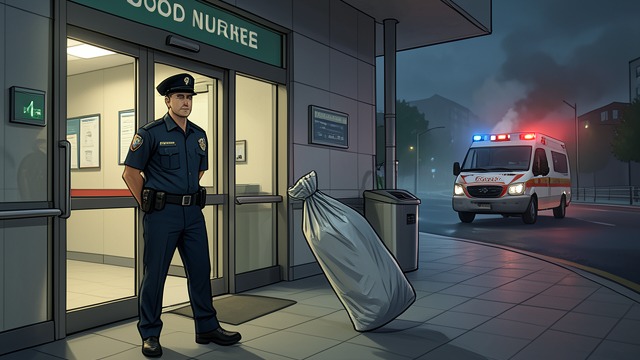
Tim Braun first encountered death while working security at Saint Barnabas Medical Center. Early on, patients’ bodies were anonymous to him, part of the hospital’s ordinary labor.
A Homicide Career
He later became a detective in Newark, where relentless violence and heavy caseloads shaped his sense of what police work could accomplish. The work brought adrenaline and professional identity, but also personal strain.
Braun learned to protect himself by treating cases impersonally. The approach helped him endure the work, but it would be tested when he encountered a case that seemed to implicate powerful institutions rather than street violence.
Duryea’s Unsolved Murder
Duryea’s Unsolved Murder
A Whistleblower’s Death
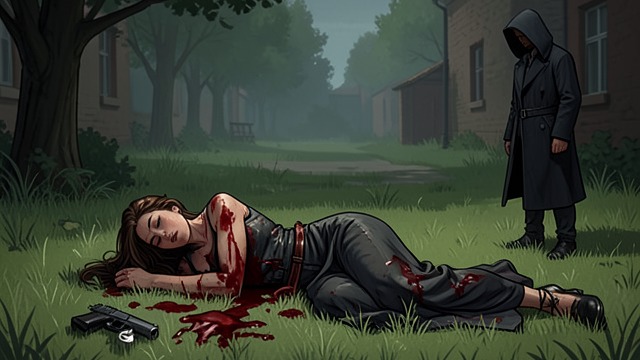
Braun investigated the shooting of Ethel Duryea, a nurse killed in an affluent Newark neighborhood. The case led him toward an insurance scheme and possible institutional corruption.
A Case Shut Down
Superiors told Braun to leave the matter alone, and he was moved away from homicide work. Although he had traced the gun, Duryea’s killer was never publicly identified, leaving Braun with a lasting sense of unfinished duty.
The experience taught him that discovering the truth did not guarantee that the system would pursue it. When the Cullen case later revealed institutional resistance, the older failure became emotionally present again.
A New County

A New County
A Quieter Assignment
Braun moved to Somerset County, expecting less danger and a manageable path toward retirement. The position offered a calmer pace than his earlier work in Newark.
Old Doubts Return
The apparent calm did not resolve what had happened in the Duryea investigation. Braun carried its lesson into a new jurisdiction, where a complicated hospital case would again challenge the boundary between police work and institutional power.
His new role placed him in a position to supervise Danny Baldwin and respond to the first calls about a hospital death. What began as an inconvenient case would become a test of whether he would again accept a closed door.
A Case Without a Scene
A Case Without a Scene
Medical Ambiguity
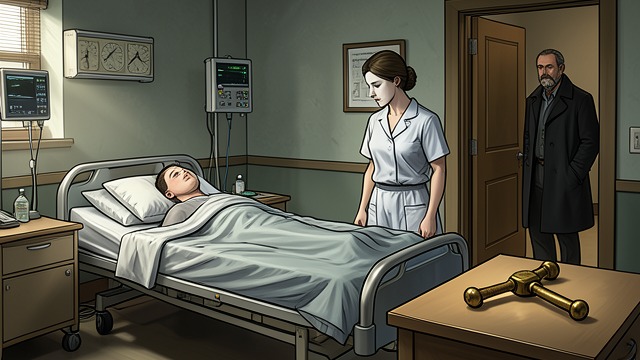
Braun initially doubted that the Somerset incidents amounted to homicides. The records were technical, the patients were medically complex, and the hospital’s account left detectives with no obvious crime scene or weapon.
The Pattern Becomes Personal
As the team found earlier investigations and warning signs, Braun recognized a familiar possibility: institutional power might once again be limiting a criminal inquiry. He began to see the case as a race against a killer still able to seek work.
This recognition shifted Braun from skepticism to urgency. His prior experience did not solve the medical puzzle, but it made him more alert to the consequences of delay and controlled information.
Breaking the Rules of Caution
Breaking the Rules of Caution
A Dangerous Suspect Remains Free
The investigation had not yet produced evidence strong enough for a straightforward arrest, while Cullen was seeking work at another hospital. Braun believed that waiting for a perfect case could leave more patients exposed.
An Unofficial Warning
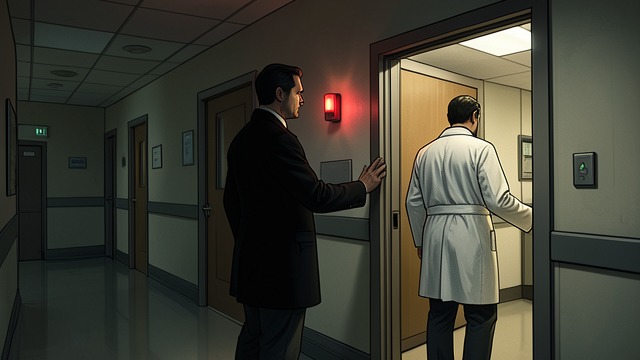
He contacted Montgomery Hospital and warned its leadership to remove Cullen from the schedule, despite the legal and professional risks of sharing suspicion without a completed prosecution.
Braun’s choice expressed the moral pressure at the heart of the investigation: procedural caution could protect the case, but it could also leave a suspected killer in contact with patients. His intervention helped prevent Cullen from starting that job.
Late 1970s to 1990s
1995 to 2003
Around 2000
October 2003
December 2003
